



From Island Roots to Taiwan: An Architect’s Journey
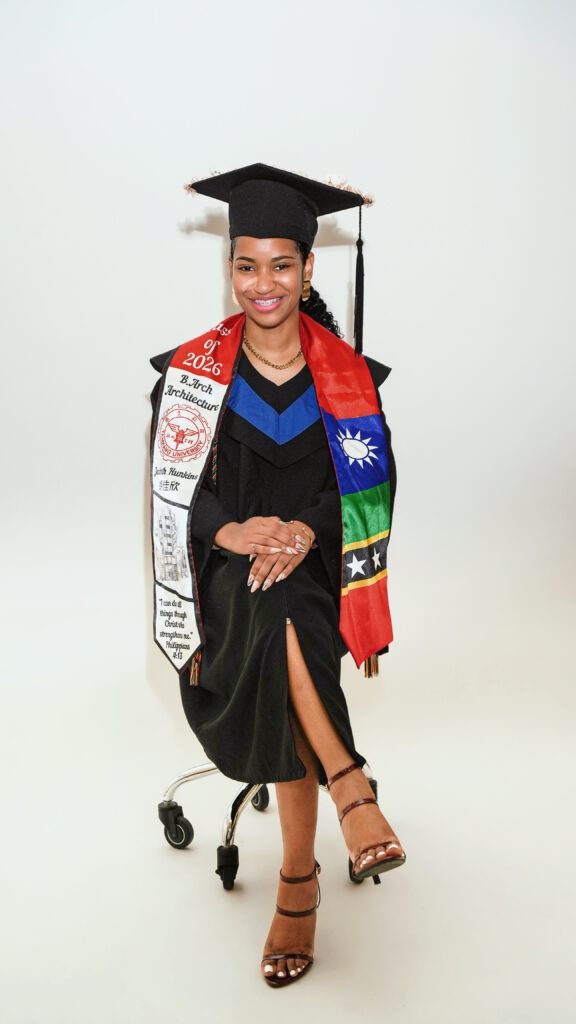
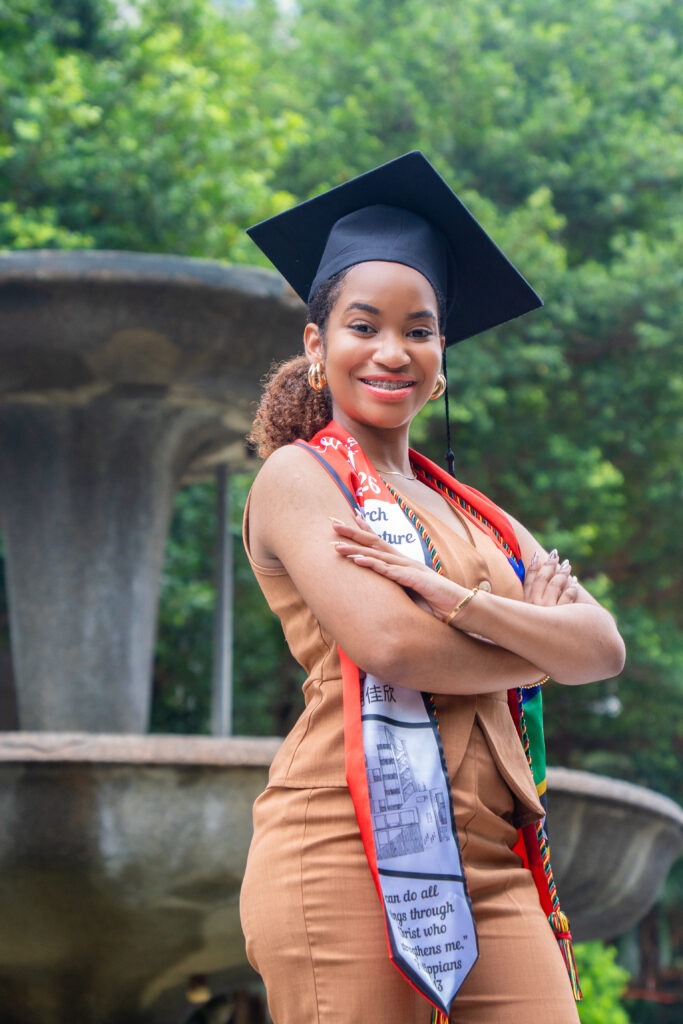
Caribbean Vybes is pleased to introduce Jacinth Hunkins, a 25-year-old Caribbean architecture student whose academic journey has taken her from the Caribbean to Taiwan.
Jacinth recently graduated from Tamkang University’s five-year Bachelor of Architecture program and is now continuing her studies at the master’s level in architecture at the same university.
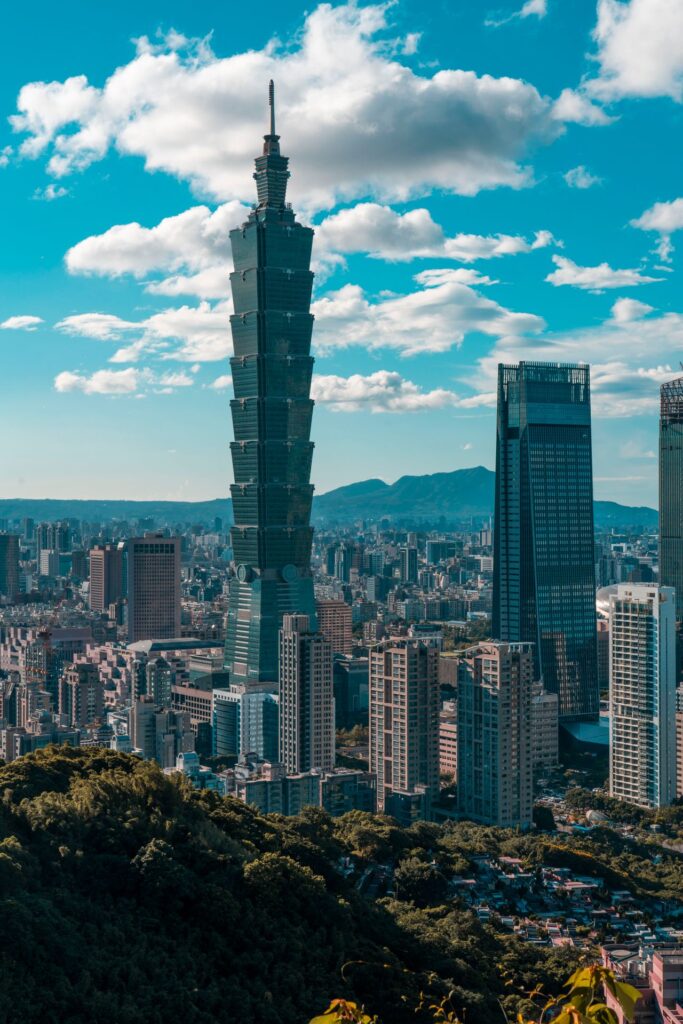
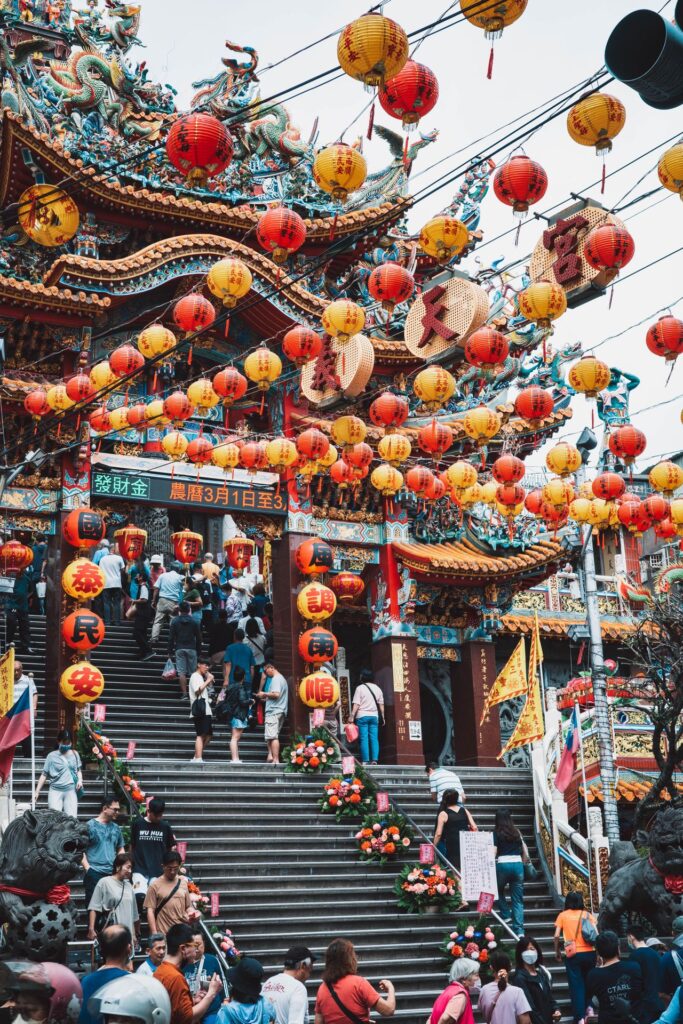
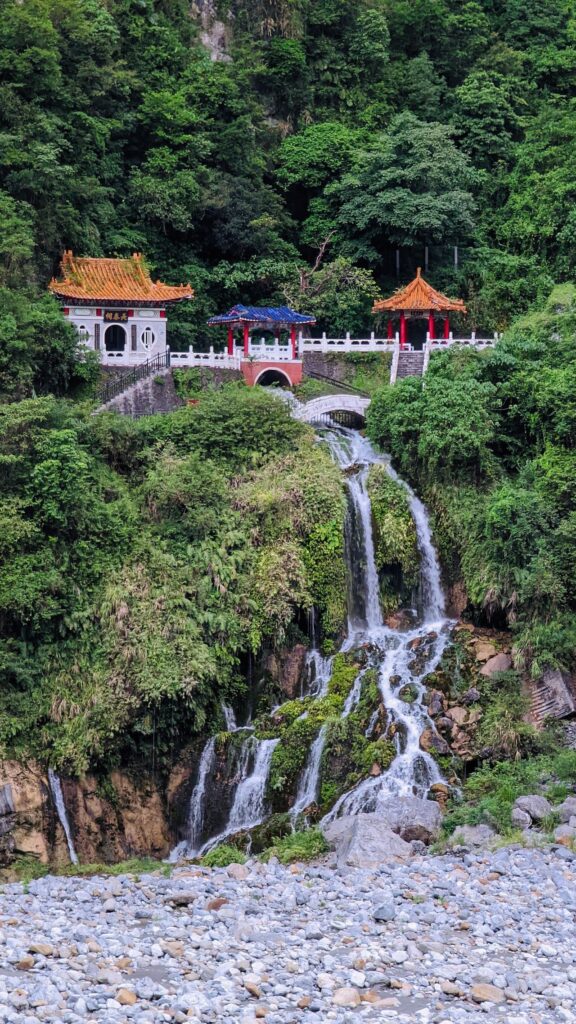
Her journey in Taiwan began in 2020, when she arrived as a recipient of the MOFA Taiwan Scholarship. Her first year was dedicated to studying Mandarin Chinese at the Mandarin Training Center (MTC) at National Taiwan Normal University (NTNU). After completing her language studies, she began her architecture degree at Tamkang University, where the program was taught entirely in Chinese.

Before making the journey to Taiwan, Jacinth studied architecture at CFBC. Moving from the Caribbean to Taiwan has challenged her academically, culturally, and personally, while also helping her develop greater independence and confidence.
Today, she continues to build on that experience as she pursues her master’s degree. Her long-term goal is to establish herself professionally in architecture and, eventually, use the knowledge and experiences she has gained abroad to contribute meaningfully to the development of her federation.


CV: What inspired you to study or live in Taiwan?
Miss Hunkins: After graduating from CFBC’s architectural program, I began looking for scholarship opportunities that would allow me to further my studies. I first learned about opportunities to study in Taiwan through a scholarship fair held at the Independence Square in St. Kitts. From there, I researched the scholarships and that eventually led me to Taiwan.
CV: How does student life here compare to back home in the Caribbean?
Miss Hunkins: Student life as an architecture student in Taiwan has been quite different from what I experienced back home. Here, it often means spending long days, and sometimes entire nights in the design studio. Back home, I usually completed my work at home and never felt the need to stay overnight at school.
I think this reflects both a difference in environment and in student life. Back home, it was natural to return home at the end of the day, where family was nearby. In Taiwan, I also quickly realized that staying late in the studio was quite normal among architecture and design students.
Over time, those late nights became part of the experience. My classmates and I would work alongside one another, observe each other’s progress, exchange ideas, offer help, and prepare for our next presentations. Although the all-nighters can be exhausting, there is also a strong sense of camaraderie that comes from going through the design process together.
CV: Which high school did you attend, and did you always want to be an architect?
Miss Hunkins: I attended St. Maarten Academy in St. Maarten. My father travelled throughout the Caribbean for work, so part of my upbringing involved living in other islands outside of St. Kitts and Nevis.
After graduating from high school, I came to St. Kitts and completed Technical Drawing at CEMSS, which I needed as a prerequisite before beginning my architectural studies at Clarence Fitzroy Bryant College.
I wouldn’t necessarily say that architecture was something I had mapped out from childhood, but once I was introduced to Art in high school, I became increasingly interested in the way creativity could be applied to building design and influence how people live. I specifically remember one summer when, out of boredom, I found myself repeatedly sketching floor plans for my dream home which I found very exciting and addictive.
CV: What has been the biggest cultural adjustment you’ve had to make?
Miss Hunkins: The biggest adjustment was definitely developing the confidence to interact with my professors and classmates in another language.
It was not simply about learning enough Chinese to communicate. I also had to learn how to professionally present architectural ideas, explain my design decisions, respond to criticism, ask questions, and at the same time build casual, everyday relationships with the people around me.
That experience taught me the importance of being brave and continuing to show up even when something feels difficult or unnatural at first. With time, the discomfort fades, and things that once seemed intimidating gradually become part of everyday life.
CV: How do you stay connected to Caribbean culture while living in Taiwan?
Miss Hunkins: I try to participate in or attend events organized by our embassy and associations that bring Caribbean people together. These include our annual Christmas dinner, Independence celebrations, and other social activities held throughout the year.
These gatherings give us a chance to mingle, reconnect, enjoy familiar music and food, and simply be around people who share similar backgrounds and experiences. Being able to enjoy a little piece of home while living so far away is always special.
Academics & Opportunities
CV: How would you describe the education system and teaching style in Taiwan?
Miss Hunkins: University teaching styles in Taiwan can be quite diverse. In smaller, more intimate classes, I have encountered professors who are extremely helpful and accommodating and who are willing to go the extra mile to ensure that students understand the material.
Larger lecture classes tend to require more independence. Professors may focus on delivering the course material and marking attendance, while students are expected to keep up with assignments, examinations, and group work on their own. Because a lecturer cannot attend to every student individually, you naturally develop a more independent, adult approach to learning.
I particularly want to highlight the structure of the main Design course in the architecture program. A small group of approximately ten students or fewer is assigned to a design professor who guides us through the development of our individual projects.
The class is highly interactive. Much of the time is spent explaining your ideas and design progress to your professor, receiving feedback, and then using that criticism to improve the project before the next presentation.
Now imagine doing that twice a week in another language, and continuously defending your ideas, receiving criticism, improving, and presenting again every semester for five years. It was one of the most challenging aspects of my education, but also one of the experiences that contributed the most to my growth.
CV: What opportunities, scholarships, internships, and networking have you found here?
Universities in Taiwan offer a variety of scholarships, although some can be competitive because they are awarded to the highest-performing students within each department.
Internships are also an important part of many university programs. In architecture, for example, students are required to complete a certain number of internship hours to earn credits toward graduation.
Beyond fulfilling academic requirements, students who simply want additional professional experience can also apply for internships. There are opportunities to gain practical experience, meet professionals in your field, and begin building connections before graduation.
Miss Hunkins: Do you feel your studies in Taiwan are preparing you for future opportunities back home or globally?
Definitely. Studying in Taiwan has prepared me not only academically but also in terms of adaptability, communication, independence, and working across cultures.
There are also many organizations, university clubs, workshops and competitions that create opportunities to collaborate with students and institutions from other universities and countries.
Those experiences broaden your perspective beyond your degree and help prepare you to function in both local and international professional environments.
Community & Support
CV: What kind of support systems are available for international students?
Miss Hunkins: Universities generally have international offices that assist international students with matters such as scholarships, documentation, and adjusting to student life. There are also guidance counselling services where students can seek support or simply have someone check in on their well-being and progress.
Our embassies are another valuable source of support. They are available when students have questions and can also assist in more serious situations involving their studies or other matters.
CV: How important is the Caribbean student community?
Miss Hunkins: The Caribbean student community is vital to maintaining a sense of belonging and staying connected to what is familiar to us.
While studying abroad is about embracing a new culture and allowing yourself to grow through new experiences, I believe it is equally important to have people around you who understand where you come from.


CV: Have you faced challenges such as language barriers, homesickness, or discrimination and how have you navigated them?
Language barriers were most difficult during my earlier years in Taiwan because almost every new situation required learning how to communicate in a different context. Whether it was school, transportation, paperwork, healthcare, or simply everyday conversations, there was always something new to navigate. Fortunately, it becomes much easier with time and experience.
Homesickness comes and goes. At the same time, many of us have also grown comfortable living in Taiwan and have created routines, friendships, and communities that make it feel like a home away from home.
In my experience, discrimination has not been a major part of daily life. Of course, as in any society, there may occasionally be individuals whose behaviour or comments are unpleasant. However, those isolated experiences have not defined my overall experience in Taiwan or made me feel generally unwelcome.
Future Outlook
CV: Do you see yourself staying in Taiwan after your studies, returning home, or moving elsewhere?
Miss Hunkins: I am open to staying in Taiwan briefly after completing my studies if the right professional opportunity arises. I think gaining some work experience here could be another valuable part of my development.
However, my ultimate goal is to return home, establish myself in my career, and use what I have learned to contribute in whatever ways I can to the development of our federation.
CV: What advice would you give to other Caribbean students considering studying in Taiwan?
Miss Hunkins: I would encourage them to seriously consider it. Studying in Taiwan is an experience that can open your eyes to an entirely different part of the world while challenging you to grow professionally and personally.
Living far away from everything familiar teaches you independence, adaptability, and resilience. There will certainly be difficult moments, especially when adjusting to the language and culture, but those challenges are often the experiences that help you grow the most.
CV: What’s your overall view of our current architecture — do you think it needs modernizing, or should we prioritize restoring and preserving the local architecture?
Miss Hunkins: I think there is room for both modernization and preservation. Modernization is inevitable as new generations of architects and designers emerge, but I don’t think modernization should mean simply imitating the architecture of larger or more developed countries. It should respond to who we are, our climate, our lifestyles, and the particular advancement needs of our communities.
For me, modernization could mean integrating more sustainable and climate-responsive systems into our buildings, solar energy, rainwater collection, natural lighting, natural ventilation, shading, and other passive design strategies that reduce energy consumption while improving everyday comfort. These simple features can drastically improve the appearance and comfort of a space, while also presenting as cleaner and more modern.
I would also like to see more attention given to custom design. A home should be more than simply fulfilling a standard “three-bedroom, two-bathroom” programme. Good architecture should consider how the people occupying that home actually live: where families gather, how they entertain, how they use outdoor spaces, how air moves through the building, and even how the house may need to adapt over time.
Beyond individual buildings, I think modernization also needs to happen at the level of urban and community design. We need to deliberately preserve and introduce more green and public spaces, like parks, playgrounds, shaded areas and places where people can exercise, gather or simply unwind. These spaces help encourage healthier lifestyles, especially as children grow up, and they add tremendously to the quality of a village or town. Development should not only be measured by how many buildings we construct, but also by the quality of the spaces we create between them.
At the same time, there are elements of our traditional architecture that are worth studying and preserving. In fact, some traditional Caribbean building techniques, such as shaded verandas, high pitched ceilings, cross-ventilation and responding carefully to the sun, have lessons that are very relevant to what we now call sustainable design.

CV: Have you noticed many dilapidated buildings around the islands? What would you like to see happen to them?
Miss Hunkins: Depends on the history, condition and significance of each building rather than applying one solution to everything.
If a dilapidated building has historical, cultural or architectural value, I would first want it to be properly assessed to determine what can realistically be preserved. Sometimes the entire structure may not be salvageable, but particular materials, proportions, façades or architectural features could still be restored or incorporated into a new development. Adaptive reuse can also be an interesting approach, where an older building is given a completely new purpose while retaining the elements that tell its story.
If the building has deteriorated beyond the point where it can safely be restored, I still think there can be value in documenting it before demolition and, where appropriate, referencing some of its architectural language in what replaces it.
At the same time, preservation should not mean keeping every old or abandoned structure simply because it is old. Some buildings may have very little architectural or historical significance and may genuinely be preventing a site from being used more meaningfully. The important thing is that these decisions are made intentionally rather than allowing significant buildings to deteriorate until demolition becomes the only option.
CV: Are there specific historic buildings or sites you feel are essential to preserve as part of our story?
Miss Hunkins: I find the Treasury Building to be particularly special. Its location gives it a very strong relationship with Basseterre and the waterfront, and the archway itself has historically functioned as a gateway between the harbour and the town. It is part of how people have moved through and experienced Basseterre for generations. Its archway also holds the memory of what that part of Basseterre was like before the coastline was changed through reclamation. That layering of architecture, public space and memory is something worth protecting.
I also think preservation should extend beyond the most monumental buildings. Places such as Independence Square, St. George’s Anglican Church and the Berkeley Memorial and surrounding Circus contribute to the identity and character of Basseterre.
The historic areas of Charlestown are equally important when considering the Federation as a whole; UNESCO has identified both historic Basseterre and Charlestown on the country’s Tentative List. On Nevis, sites such as the Bath Hotel, Cottle Church and the historic architecture of Charlestown also tell important parts of our story.
I think preserving these places is important not because we should remain stuck in the past, but because they give new development something to respond to. A country can modernize without erasing the physical evidence of how it became what it is today.

CV: If you could design one building or space to symbolize our independence, what would it be and look like?
Miss Hunkins: I don’t think I would design a monument that people simply look at. I would want to design a public space that people actually use. A place where children, adults and elderly people could all gather, relax, celebrate and feel that the space belongs to them.
Sustainability would be central to the concept because I think it offers another way of interpreting independence. Independence is political freedom, but it can also make us think about self-reliance and resilience. I would therefore imagine a space capable of producing much of its own energy through renewable sources such as solar power, collecting and reusing water, relying heavily on natural ventilation and shading, and demonstrating environmentally responsible design in a way that people can experience firsthand.
Rather than sustainability being hidden away as a technical feature, I would want it to become part of the architecture and part of what the building teaches. In that sense, the project would celebrate where we have come from while also representing the kind of future we want to build.
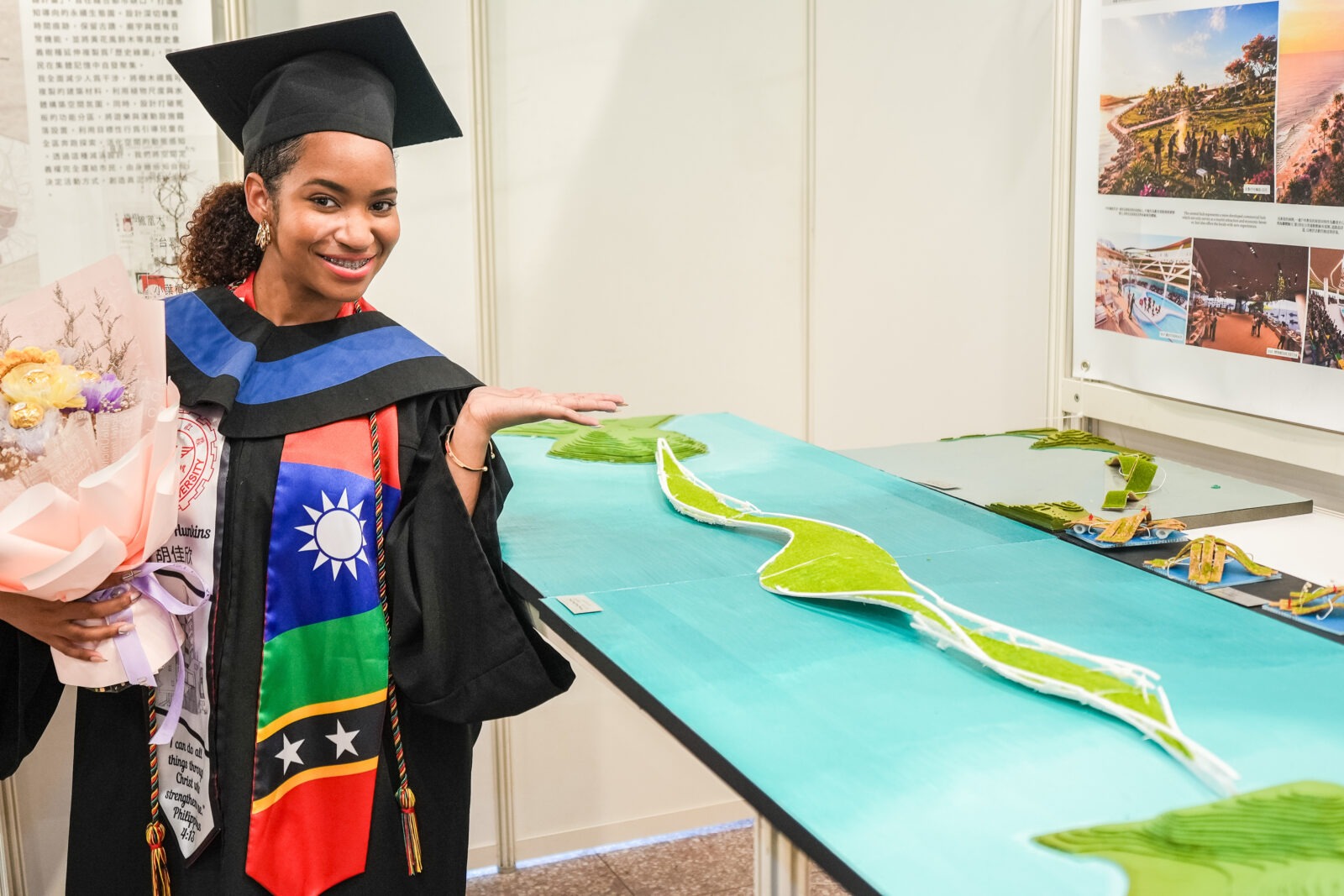
Interestingly, those same ideas of independence, connection and sustainability became major themes in my graduation design project. My project, “Island Connector – The Green Middle Ground,” explored the idea of a bridge between St. Kitts and Nevis in the form of an island concept. Beyond simply creating a physical connection between the two islands, I used the project to think about what it means for us to be connected as people and how this could become a space for daily life and shared identity, not solely for commuting.
That is probably how I would approach an Independence project as well: not simply as a monument commemorating a date, but as a useful piece of architecture that expresses independence through the way it serves its people and considers the future.