


How Cuba Helped Shape Global Health: A Caribbean Story of Science, Medicine, and Public Service
For many travellers, Cuba is remembered for music, architecture, classic cars, and layered history. Yet one of its most enduring contributions lies in a field that often receives less attention: health.
Across decades, Cuba developed a distinctive medical legacy that influenced public health far beyond its borders. Its doctors, scientists, epidemiologists, and research institutes have contributed to disease prevention, vaccine development, emergency medical response, and healthcare training throughout the Caribbean, Latin America, Africa, and other parts of the world.
Even in periods of economic strain and resource shortages—including recent pressure linked to fuel, medicine, and external restrictions—Cuba’s long health legacy remains part of global medical history.

LISTEN TO TRUE STORIES TO ACTIVATE INNER HEALING
Click the YouTube links to listen the real story of a woman who faced addiction, teenage motherhood, and survival on the streets.
SUBSCRIBE to join the CIRCLE
If you have a story to share, while your identity remains anonymous feel free to contact us at: impowermentcircle@gmail.com
- – – – – – – – – – – – – – –
Cuba’s Early Public Health Foundations: Before Fidel Castro:
Long before the 1959 revolution, Cuba already played a historic role in tropical medicine.
One of the most important figures was Carlos Juan Finlay, who demonstrated that mosquitoes transmit yellow fever.
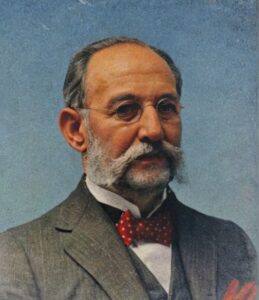
This discovery changed global disease control forever.
By identifying the mosquito as the carrier, Finlay helped shape modern mosquito-control strategies still used today against:
- dengue
- yellow fever
- chikungunya
- Zika
His work became especially important for tropical regions across the Caribbean and Latin America.
Cuba and Yellow Fever Science Changed International Travel
Finlay’s mosquito theory influenced sanitation campaigns that made ports and cities safer.
This mattered enormously for maritime travel because yellow fever outbreaks once disrupted trade routes, migration, and tourism across the Caribbean basin.
In many ways, safer tropical travel began with this scientific breakthrough.
Building Preventive Medicine: During the Revolutionary Period
After 1959, Cuba expanded healthcare through a prevention-centered system.
The country emphasized:
- neighbourhood clinics
- vaccination campaigns
- rural medicine
- maternal care
- universal physician training
By the 1960s, doctors were being deployed to remote rural areas, improving access in places where medical services had been limited. Cuba reached broad primary-care coverage earlier than many developing nations.
Cuba’s Medical Brigades Reached Beyond the Island
Beginning in the early 1960s, Cuba sent doctors abroad during disasters and shortages.
Its first major long-term missions supported countries facing health workforce gaps, and over time Cuban medical teams became active across:
- Algeria
- Haiti
- Pakistan
- Angola
- Brazil
These teams often worked in remote communities where local physician shortages were severe. Cuba’s international medical cooperation has been documented for more than six decades.
A Major Caribbean Contribution: Haiti After Disaster
After the 2010 earthquake in Haiti, Cuban medical teams were among the earliest already on the ground because many had been working there before the disaster.
They later helped support cholera treatment and rural care during one of the region’s most difficult humanitarian emergencies.
Cuba’s Biotechnology Sector Became Internationally Recognised
A lesser-known part of Cuba’s health legacy is biotechnology.
Despite limited resources, Cuba developed research centers focused on vaccines, cancer therapies, and immunology.
Cuban institutes contributed to:
- meningitis vaccine development
- hepatitis research
- interferon production
- diabetic ulcer treatment biotechnology
This scientific investment became one of the island’s most internationally recognized health sectors.
Health Legacy Under New Pressures: Post-Castro Cuba
In recent years, Cuba has faced major health-system strain linked to shortages of fuel, imported medicines, and infrastructure challenges.
At the same time, its medical brigades continue to be debated internationally because they remain a major part of Cuba’s external health engagement. Several countries have reduced or restructured agreements in 2026 under changing diplomatic pressure.
Yet even amid present difficulties, Cuba’s long record in preventive medicine, physician training, and emergency deployment continues to shape health discussions across the Caribbean.
Why This Matters for Travellers Today
LEARN MORE ABOUT CUBA here
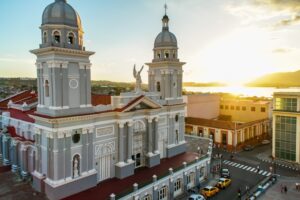
Travel often reveals that health history is part of a place.
In Cuba, visitors encounter not only historic neighbourhoods and cultural heritage, but also a country whose medical legacy influenced disease control, tropical science, and public-health cooperation far beyond its size.
Understanding that history adds another layer to Caribbean travel: one where science and society shaped a nation’s identity as much as architecture or politics.
Cuba’s Medical Brigades During the COVID-19 Pandemic
When the world faced severe shortages of medical personnel during the early months of COVID-19, Cuba once again drew international attention for sending doctors and nurses abroad through its long-established Henry Reeve International Medical Brigade.
Created in 2005 for emergency response, the brigade had already worked in disasters such as earthquakes, hurricanes, cholera outbreaks, and the Ebola crisis before being mobilized during the pandemic.
How Many Cuban Health Workers Were Sent?
By mid-2020, Cuba had sent more than 2,000 doctors and nurses to 23 countries specifically to support COVID-19 response efforts. These teams worked in Latin America, the Caribbean, Africa, the Middle East, and Europe, including heavily affected parts of Italy.
Later that same year, reporting from Reuters noted that Cuban medical brigades had reached nearly 40 countries across five continents, making Cuba one of the few nations to deploy large overseas medical teams at that scale during the pandemic.
Cuba’s Wider Medical Presence During the Pandemic
In addition to emergency brigades, Cuba already had more than 28,000 health professionals working in 59 countries under existing bilateral medical agreements when COVID-19 began. That meant Cuban-trained personnel were already present in many regions when local health systems came under pressure.
Countries That Received Cuban Medical Teams
Cuban doctors and nurses were deployed to countries including:
- Italy
- Jamaica
- Haiti
- South Africa
- Andorra
- Mexico
In Mexico City alone, approximately 500 Cuban health workers were reported to be assisting hospitals during the pandemic response.
The Caribbean Role
For the Caribbean, these brigades were especially significant because many island states face limited specialist capacity during major outbreaks.
Several Caribbean countries—including Jamaica, Grenada, Saint Lucia, Antigua and Barbuda, Saint Vincent and the Grenadines, and Dominica—received Cuban support during the early pandemic months.
Why Cuba Could Deploy So Many Medical Teams
Cuba has long invested heavily in medical training and maintains one of the world’s highest physician-to-population ratios.
A Legacy Larger Than One Crisis
Whether in yellow fever research, meningitis vaccines, cholera response, Ebola treatment, or pandemic emergency care, Cuba’s health history shows how one island repeatedly became influential in moments when international medical solidarity was urgently needed.